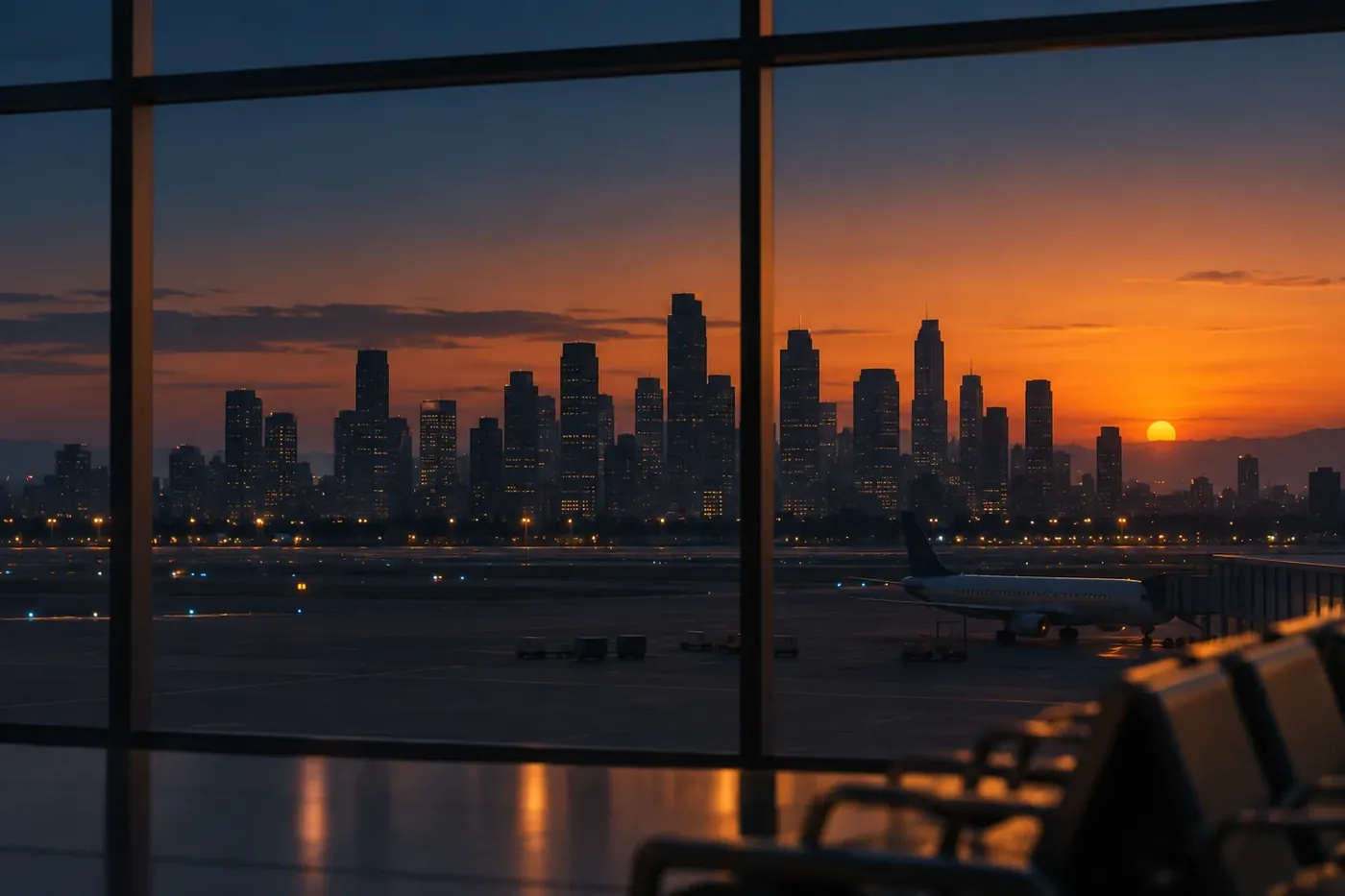
About Moscow
Moscow is the capital and largest city of Russia, standing on the Moskva River in Central Russia. It has a population estimated at over 13 million residents within the city limits, over 19.1 million residents in the urban area, and over 21.5 million residents in its metropolitan area. The city covers an area of 2,511 square kilometers (970 mi2), while the urban area covers 5,891 square kilometers (2,275 mi2), and the metropolitan area covers over 26,000 square kilometers (10,000 mi2). Moscow is among the world's largest cities, being the most populous city entirely in Europe, the largest urban and metropolitan area in Europe, and the largest city by land area on the European continent. Source: "Moscow" by Wikipedia contributors (https://en.wikipedia.org/wiki/Moscow), licensed under CC BY-SA 4.0 (https://creativecommons.org/licenses/by-sa/4.0/). Edit history on the linked Wikipedia page.
Overview
Moscow, Russia is served by 3 airports tracked in this guide: Domodedovo International Airport (DME), Sheremetyevo International Airport (SVO), Vnukovo International Airport (VKO). Together they handle inbound and outbound flying for the metropolitan area, and each one links through to a full guide on this site with terminal, lounge, layover and ground-transport pages.
Choosing the right airport
Choosing between the airports in Moscow usually comes down to three things: which airline you are flying, which route you need, and how you plan to reach the airport from town. The primary international gateway carries most long-haul flights and partner-alliance connections. The secondary fields are usually friendlier for short domestic hops and low-cost carrier routes. Always confirm which airport your specific flight uses before you book a transfer. A wrong-airport pickup can cost an hour or more in cross-town traffic, and a few low-cost carriers in Russia are notorious for using the secondary field even on routes you would expect at the main airport.
Ground transport
Ground transport between central Moscow and its airports normally includes licensed taxis with published rank fares, ride-hail apps with dedicated pickup points, public transport (bus, metro or rail) into the city centre, and rental car desks landside. For an early morning departure, a pre-booked airport transfer or an airport-hotel stay the night before is usually the most reliable option. Cash-only taxis still operate in parts of Russia, so carrying a small amount of local currency is a sensible backup even if you plan to pay by card.
Layover tips
If you are visiting Moscow, it often makes sense to combine the airport visit with a short stay nearby. Look at hotel clusters within a 15-minute drive of arrivals if you have an overnight layover, and check luggage storage options at the airport if you want to head into the city centre between flights. Most major airports now have a left-luggage office airside or landside, although prices and hours vary widely.
When to fly through Moscow
When you fly through Moscow matters more than you might think. The morning bank between roughly 6am and 9am is the busiest at most airports, with a second peak in the late afternoon as long-haul flights time their arrivals into evening connection banks elsewhere. If your dates are flexible, a midday departure usually means shorter security lines and a calmer terminal. The shoulder seasons either side of the local holidays tend to be the cheapest and the least crowded.